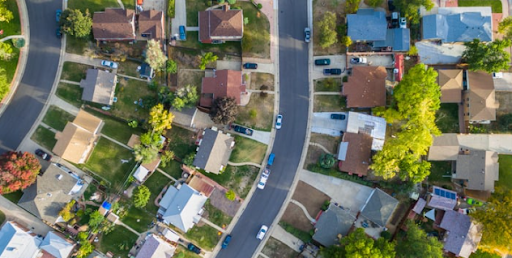
Jersey City’s streets are always buzzing. You’ve got cars, buses, bikes, folks on foot, delivery vans, and construction crews all jockeying for space every single day. With all that going on, accidents can pop up just about anywhere, even in those quieter residential spots that seem pretty chill.
Some neighborhoods, though, tend to see fewer serious traffic incidents because of how their streets are laid out and how people move through them. Things like traffic patterns, intersection design, pedestrian activity, and vehicle speed all play a role in how often accidents happen and how severe they are.
This article highlights seven Jersey City neighborhoods that generally experience lower accident risk based on everyday conditions on the road and sidewalk. No area is completely risk-free, but certain parts of the city offer environments where serious injuries are less likely to occur.
What Safety Looks Like on Jersey City Streets?
In some Jersey City neighborhoods, serious accidents are less common because traffic flows more predictably, giving drivers, walkers, and cyclists plenty of time and space to react.
These lower-risk areas often have a few things in common:
- Slower-moving traffic
- Fewer high-speed cut-through routes
- Clearer crosswalks and sidewalks
- Simpler intersections with better visibility
- Less constant truck and delivery traffic
Conditions like these cut down on severe car crashes, pedestrian injuries, and bike accidents. No neighborhood is totally risk-free, but smart street design and traffic patterns make a big difference in how often injuries occur and how bad they get.
1. Paulus Hook
Paulus Hook sits along the waterfront and is known for its residential feel, historic buildings, and walkable streets. Many people in the area move around on foot, and drivers tend to expect that.
Streets here are narrower, traffic generally moves at slower speeds, and there are fewer high-speed cut-through routes. Drivers are more likely to:
- Stop fully at intersections
- Watch for pedestrians in crosswalks
- Travel at residential speeds
There is also less heavy truck traffic compared to areas closer to major highways or industrial zones. That reduces the chance of high-impact collisions.
Accidents still happen in Paulus Hook, but they are more often low-speed incidents rather than severe crashes. That can lower the likelihood of serious injuries when an accident occurs.
2. Hamilton Park
Hamilton Park is a residential neighborhood centered around a large public park and surrounded by tree-lined streets. The area attracts families, dog walkers, and people spending time outdoors, which naturally slows traffic.
Most streets around Hamilton Park are local roads rather than major through routes. Drivers tend to be more cautious and aware of pedestrians, especially near the park entrances and corners.
Traffic conditions here often include:
- Lower speed limits
- Shorter blocks with frequent stop signs
- Good visibility at intersections
- Fewer delivery trucks are passing through
Accidents do occur, but they are more likely to involve low-speed impacts rather than high-speed crashes. That helps reduce the severity of injuries when collisions happen.
3. Van Vorst Park
Van Vorst Park is another neighborhood with a strong residential character and a central green space. Streets are generally narrow, and traffic is made up mostly of local drivers rather than commuters driving through the area.
The neighborhood benefits from:
- Predictable traffic flow
- Smaller intersections
- Regular pedestrian activity that keeps drivers alert
- Limited access points for faster-moving vehicles
Because traffic moves more slowly and intersections are easier to read, drivers have more time to react. This can reduce the likelihood of serious crashes, even when accidents happen.
Sidewalks and crosswalks see regular foot traffic, which makes drivers more alert and more likely to slow down and watch for people crossing.
4. The Heights (Residential Sections)
The Heights covers a large section of Jersey City, but many residential blocks within it feel calmer than areas closer to downtown or major highways. These streets are often wider, with clearer sightlines and fewer sudden traffic changes.
Residential sections of the Heights tend to see:
- Less congestion
- Fewer delivery and commercial vehicles
- More consistent traffic patterns
- Fewer complex intersections
Accidents in these areas often involve parked vehicles or low-speed intersections rather than high-impact collisions. While injuries can still occur, the overall traffic environment is less chaotic than in busier corridors.
5. Newport (Interior Streets)
Newport is a planned neighborhood with residential towers, office buildings, and retail spaces. While nearby roads can be busy, interior streets within Newport are designed to manage mixed-use traffic more smoothly.
These streets often feature:
- Clearly marked crosswalks
- Wider sidewalks
- Visible signage
- Predictable turning patterns
Drivers in Newport are more likely to expect pedestrians and cyclists, which can reduce risky behavior. Although accidents still happen, especially during peak commute hours, interior streets tend to see fewer severe crashes compared to nearby highway access points.
6. Liberty Harbor / Liberty State Park Area
Neighborhoods near Liberty Harbor and Liberty State Park have more open space and fewer congestion points than much of the city. Traffic here is often lighter, and drivers generally have more room to maneuver.
Common characteristics include:
- Fewer major intersections
- Less stop-and-go traffic
- Limited commercial truck routes
- Clearer visibility near park entrances
Most accidents in this area involve turning vehicles or distracted driving near access points rather than high-speed crashes. The reduced traffic volume helps lower the chance of serious injuries.
7. Downtown Side Streets (Away From Main Corridors)
Downtown Jersey City includes some of the busiest roads in the city, but side streets away from main corridors are often much quieter. These blocks serve residential buildings and local traffic rather than commuters passing through.
Side streets typically have:
- Lower speed limits
- Fewer lanes
- Shorter crossing distances
- Limited delivery traffic
Accidents in these areas are more likely to be minor collisions or pedestrian-related incidents rather than multi-vehicle crashes. While no downtown area is completely quiet, these side streets offer conditions that reduce the risk of severe injuries.
How to Keep Yourself Safer While Getting Around Jersey City?
Even in neighborhoods with calmer traffic, accidents can still happen. Being aware of your surroundings and making small adjustments to how you move through the city can help lower your risk.
If you’re driving:
- Slow down on residential streets, even when traffic feels light
- Expect pedestrians at corners and crosswalks
- Leave extra space between vehicles to allow for sudden stops
- Watch for delivery and rideshare vehicles pulling over without warning
If you’re walking:
- Make eye contact with drivers before crossing when possible
- Stay alert at intersections with turning traffic
- Avoid distractions like phones or headphones when crossing streets
- Use crosswalks and signals whenever they’re available
If you’re biking:
- Stay visible and follow traffic signals
- Be cautious near parked cars and delivery zones
- Watch for doors opening or vehicles stopping suddenly
- Ride predictably so drivers can anticipate your movement
No matter how you’re getting around, paying attention, slowing down, and avoiding distractions can reduce the chance of an accident. If something does happen, taking the right steps afterward matters just as much as prevention.
Common Injuries Even in Safer Jersey City Neighborhoods

Even in neighborhoods with calmer traffic and slower speeds, accidents can still lead to real injuries. Lower-speed crashes and everyday incidents often cause harm that isn’t always obvious right away.
Common injuries include:
- Neck and back strain, including whiplash
- Shoulder, arm, or wrist injuries from bracing during impact
- Knee, hip, or ankle injuries from sudden stops or falls
- Concussions or head injuries
- Soft-tissue injuries that worsen over time
These injuries may seem minor at first, but can become more painful in the days that follow. Safer neighborhoods can reduce the risk of severe crashes, but they don’t eliminate the need to take injuries seriously and seek proper care.
What To Do After an Accident?
People sometimes assume an accident in a “safe” neighborhood isn’t serious, especially if traffic was moving slowly or the damage looks minor. That assumption can lead to missed injuries and weak documentation. Even low-speed incidents can cause problems that show up hours or days later, and insurance companies often use the setting of the accident to downplay claims.
If you’re hurt:
- Call 911
- Get medical care, even if symptoms seem mild
- Document the scene, vehicles, and surrounding conditions
- Collect witness names and contact information
- Keep records of treatment, appointments, and missed work
- Contact a Jersey City personal injury lawyer to understand your options
Low-speed accidents can still cause real injuries, especially to the neck, back, and joints. Taking these steps early can help protect both your health and your ability to address the situation properly later.
Get Help After an Accident in Jersey City
Some Jersey City neighborhoods have that calmer vibe; slower traffic, more predictable driving, and a bit less risk overall. However, let’s be real, no spot in the city is totally accident-proof. Even quieter residential areas can surprise you with an injury that brings medical bills, time off work, and all that insurance hassle.
If you’ve been hurt, jumping on your options early can make all the difference. Here at Peter Michael Law, we guide Jersey City folks like you through the next steps, handle the insurance runaround, and fight for what you deserve. Reach out to our team, let’s talk about what happened and map out your best path forward.
Disclaimer: This article is for general information only and is not legal advice. If you were injured, talk to a lawyer about your specific situation.


