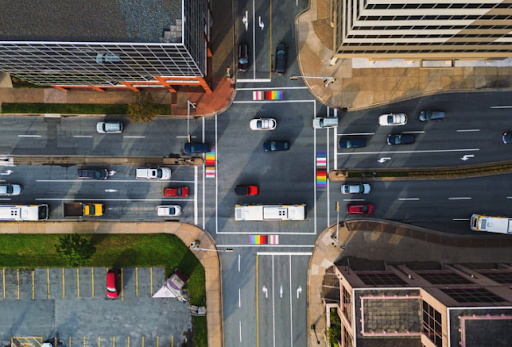
Newark is a city that never stops moving, but that energy comes with a price. If you drive, bike, or walk here, you know that certain spots feel more like a “gauntlet” than a commute. From the high-speed chaos of Route 21 to the sea of pedestrians at Broad and Market, some areas are simply magnets for accidents.
Whether it’s a sudden rear-end collision in stop-and-go traffic or a dangerous T-bone at a busy intersection, knowing where the risks are highest is the first step in staying safe. Let’s look at the seven spots where you need to be on high alert.
Why Are Certain Newark Roads and Intersections Are More Dangerous?
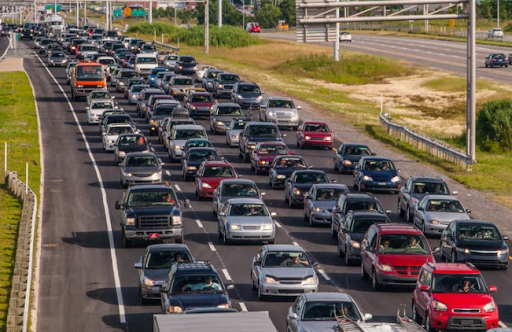
Before looking at specific crash locations, it helps to understand why some Newark roads see more accidents than others. These areas tend to combine traffic patterns and design issues that increase both the likelihood and severity of collisions.
High-risk roads and intersections often share several characteristics:
- High traffic volume: More vehicles moving through a single area increases the chances of collisions, especially during peak hours.
- Complex intersections: Multiple turning lanes, confusing signal timing, and limited visibility create more conflict points between vehicles and pedestrians.
- Poor road design: Narrow lanes, unclear markings, sharp curves, or inadequate signage can make it harder for drivers to react safely.
- Heavy pedestrian activity: Areas near transit hubs, shopping districts, and downtown corridors see more vehicle-pedestrian conflicts.
- Inadequate lighting: Poor visibility during the night makes it harder to spot hazards, pedestrians, and traffic signals.
These conditions don’t just raise the number of crashes. They also make accidents more serious and more complicated when determining fault.
Now let’s look at how these factors show up on Newark’s most dangerous roads and intersections.
The 7 Most Dangerous Roads and Intersections in Newark
1. Broad Street and Market Street
One of the busiest downtown intersections, Broad Street and Market Street, is frequently listed as a top crash location in Newark. With heavy traffic, streetcar crossings, pedestrians, and buses all converging, this intersection creates a lot of accident points.
Why this intersection is dangerous:
- Multiple turning lanes and signal phases
- High pedestrian crossing volume
- Heavy bus and commercial traffic
- Stop-and-go traffic during peak hours
Drivers often report rear-end accidents, side-impact T-bone crashes, and pedestrian close calls here. It’s especially risky for people unfamiliar with downtown Newark’s traffic patterns.
2. McCarter Highway (Route 21) Between Downtown and University Heights
McCarter Highway (Route 21) is a major north-south route that connects Newark’s downtown to University Heights and beyond. It carries heavy commuter and freight traffic, which contributes to a high number of accidents.
Several factors make this stretch of Route 21 especially dangerous:
- Long stretches without traffic signals encourage drivers to maintain higher speeds
- Entrance and exit ramps, with their sudden lane changes and merging
- Large trucks and buses share the road with commuter traffic
Accidents here often involve rear-end crashes and sideswipe accidents, especially where traffic backs up near on-ramps or near exits to major institutions and hospitals.
3. Springfield Avenue and Bergen Street
The intersection of Springfield Avenue and Bergen Street is a notorious danger zone in Newark’s Central Ward. As two of the city’s busiest municipal corridors meet, this spot creates a perfect storm of heavy commuter traffic and constant pedestrian movement.
What makes this location risky:
- Frequent emergency vehicles and high-stress driving near the medical center
- Large transit buses frequently block drivers’ sightlines
- Constant foot traffic, heightening vehicle-pedestrian accident potential
- Drivers often attempt risky left turns across multiple lanes of traffic
Here, side-impact and angle accidents are common, especially when drivers misjudge gaps in traffic or run yellow lights.
4. Market Street and Washington Street
Not far from Broad Street, Market Street, and Washington Street form another high-accident intersection in central Newark. The area is surrounded by offices, shops, and transit stops, which keep traffic and foot activity high throughout the day.
Reasons this intersection sees frequent accidents:
- Pedestrians crossing between buses and parked cars
- Conflicting traffic flow from local streets and major corridors
- Cars exiting local streets
- Rush hour backups because of stop-and-go traffic
This intersection is particularly prone to side collisions and pedestrian-vehicle conflicts.
5. Elizabeth Avenue (Route 27)
Elizabeth Avenue is a major corridor that runs through several Newark neighborhoods. Route 27 connects Newark to Elizabeth, Union, and nearby communities, making it a heavily traveled commuter route.
Factors contributing to accidents here:
- Frequent stops and traffic lights in residential areas
- Vehicles turning into small parking lots and driveways
- Pedestrians crossing
- Drivers speeding between lights or in less congested stretches
Crashes on Elizabeth Avenue often involve rear-end collisions and pedestrian injuries, especially during peak travel times.
6. Airport Road near Newark Liberty International Airport
Airport Road and the surrounding arterial roads near Newark Liberty International Airport see a constant mix of local drivers, airport shuttles, taxis, rental cars, and commercial vehicles. Many drivers are unfamiliar with the area, distracted, or rushing to catch flights, which increases crash risk.
Why is this area risky:
- Drivers changing lanes suddenly to enter or exit airport terminals
- High traffic volume at all hours of the day
- Confusing or poorly understood signage for out-of-town drivers
- Traffic backups during peak flight times
Accidents here can be especially stressful because higher speeds and commercial vehicles are involved.
7. South Orange Avenue and Norfolk Street
South Orange Avenue at Norfolk Street is a primary conflict point for commuters and the university community. This intersection serves as a busy gateway between Newark’s downtown and the residential West Ward.
Accident contributors here include:
- Drivers often speed through this stretch to reach the Oranges
- High volumes of student pedestrians from NJIT and Rutgers-Newark
- Frequent bus stops lead to sudden braking and rear-end collisions
- Tight urban design makes side-swipe accidents more likely during rush hour
This location sees a mix of rear-end crashes, angle collisions, and pedestrian incidents, especially during school and work commute hours.
What to Do If You’re Involved in an Accident on a Dangerous Newark Road?
If you’re involved in a crash on one of Newark’s high-risk roads or intersections, what you do next can affect both your health and your ability to recover compensation. These steps help protect you on both fronts.
- Call the police and report the crash
- Seek medical care as soon as possible
- Report the accident to your insurance company
- Document everything you can
- Track all accident-related expenses
- Speak with a Newark car accident attorney
Once you know which roads and intersections are the most dangerous, the next question is how to protect yourself when driving through them.
How Drivers Can Stay Safer on Newark’s Busiest Roads?
To reduce your risk of becoming a statistic on Newark’s dangerous roads or intersections:
- Distraction-free driving, including no texting or phone use
- Reduced speeds in high-traffic zones
- Safe following distances between vehicles
- Consistent use of mirrors and turn signals
- Increased vigilance for pedestrians at crosswalks
- Extra caution in construction or poorly lit areas
Practicing defensive driving is your best way to stay safe on Newark’s busy roads.
Safety Tips for Pedestrians and Cyclists on Newark’s Most Dangerous Roads
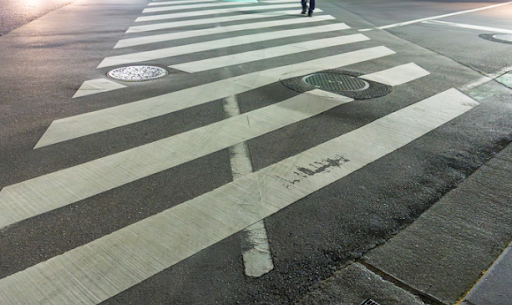
If you’re walking or biking in high-risk Newark areas, a few habits can make a real difference:
- Wearing bright or reflective clothing to stay visible, especially at night or in bad weather
- Using marked crosswalks and signals whenever possible
- Making eye contact with drivers before crossing
- Avoiding distractions such as texting or looking at your phone
- Exercising extra caution near buses and parked vehicles that block sightlines
- Riding predictably and following the flow of traffic (for cyclists)
- Watching for turning vehicles at busy intersections
- Assuming drivers may be unfamiliar with the local area
Newark’s busiest roads can be challenging for everyone, but pedestrians and cyclists face the greatest risk. Staying alert, visible, and predictable can help reduce that risk, even in high-traffic or poorly designed areas.
How a Newark Car Accident Lawyer Can Help?
A Newark car accident lawyer knows local traffic patterns, common crash scenarios, and how intersection design affects liability.
Your lawyer can help by:
- Gathering police reports and evidence
- Analyzing liability and fault
- Communicating with insurance companies
- Calculating the full compensation worth
- Negotiating settlements
- Taking your case to court if needed
Accidents in high-risk neighborhoods often involve disputes over fault, insurers trying to minimize payouts, and complex road-pattern arguments. Legal support can make a real difference.
Hurt on One of Newark’s Dangerous Roads? Get Help and Protect Your Rights
Newark’s traffic environment is complex, and some roads and intersections carry a much higher risk than others. Knowing where crashes happen most often can help you stay alert and adjust how you drive, but even the most careful people can still be injured through no fault of their own.
If you or a loved one was hurt in a crash on one of Newark’s dangerous roads or intersections, the steps you take next matter. Getting medical care, documenting what happened, and understanding your legal options can all affect your recovery.
Peter Michael Law helps people injured in Newark car accidents understand their rights and deal with insurance companies after serious crashes. Contact our team to discuss what happened, get clear answers, and learn how we can help you protect your rights and move forward.
Disclaimer: This article is for general information only and is not legal advice. If you were injured, talk to a lawyer about your specific situation.


